
AI Disclaimer: ChatGPT was used to create all images in this IP. The story the images tell and the connection to course resources is all original, human-made work.
Human Being Machines
While our capitalistic society creates innovation, it pushes many to find new ways to become successful. Relatively recently, “influencer” has become a culmination of this desire built through the idea working hard to get rich or, in some cases as a possible “get rich quick” scheme. Duffy (2017) calls this striving for self-improvement via social media activity “aspirational labor” and I can see the appeal. It offers the idea of freedom to work when, where and how you want with high-income potential.
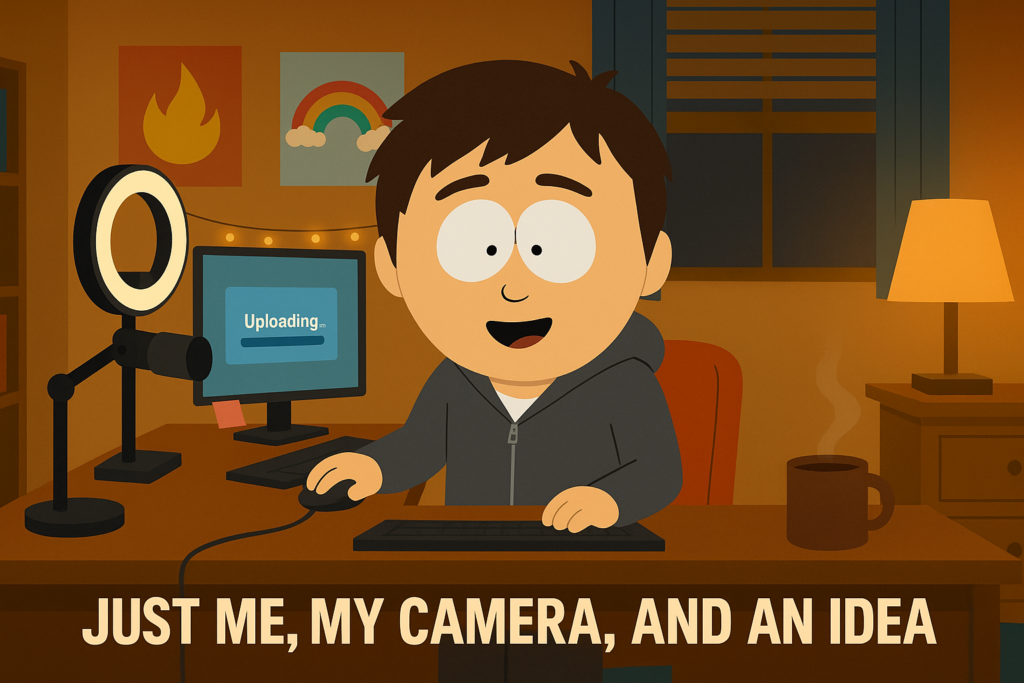
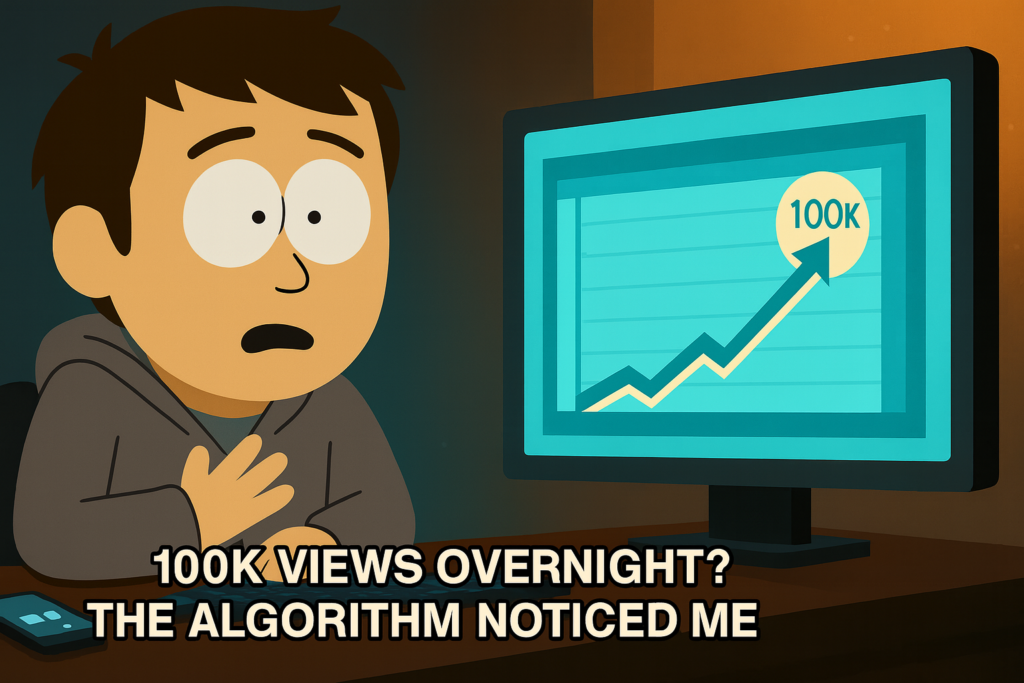
When the algorithm spots you, virality prevails and the aspirations grow. This type of success often leads the creator down the path of trying to replicate results and with a little fine-tuning, they may strive to replace their day job. The creator is now, unwittingly, strapped into a demanding schedule to produce quality content, in a sense becoming a free laborer for the platform.
Crawford’s (2021) mention of Amazon’s “matrix” leads me to believe that YouTube likely also uses this type of algorithm, in which the watcher feedback through comments, likes, subscribers and other metrics create a self-regulating feedback loop to optimize its viewership, leaving the creators only wonder how to adapt to the machine, with no guidance.
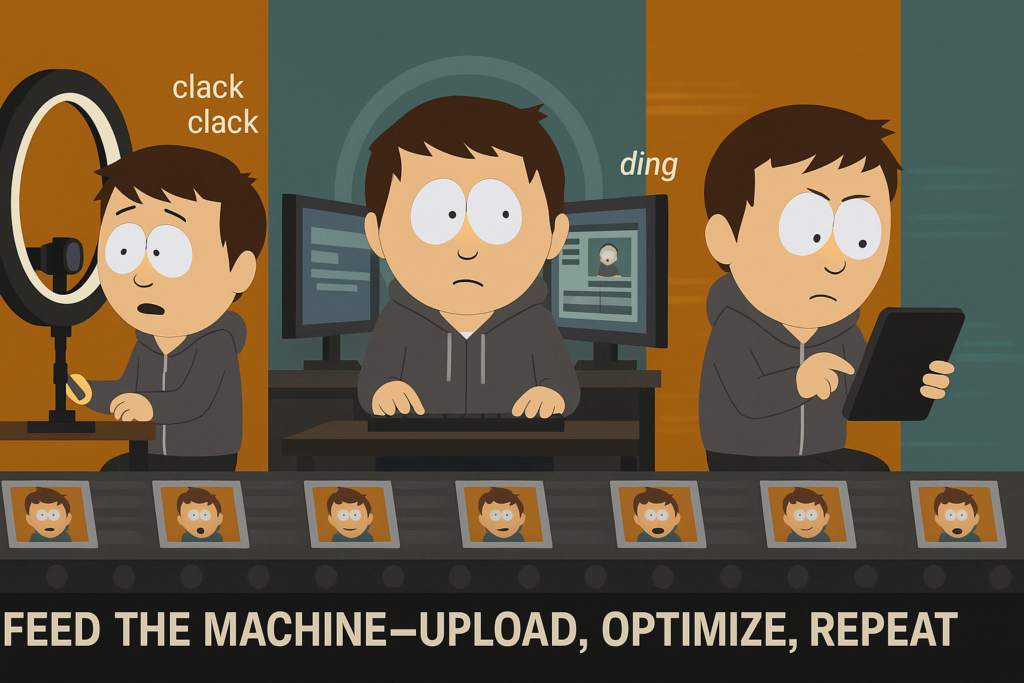
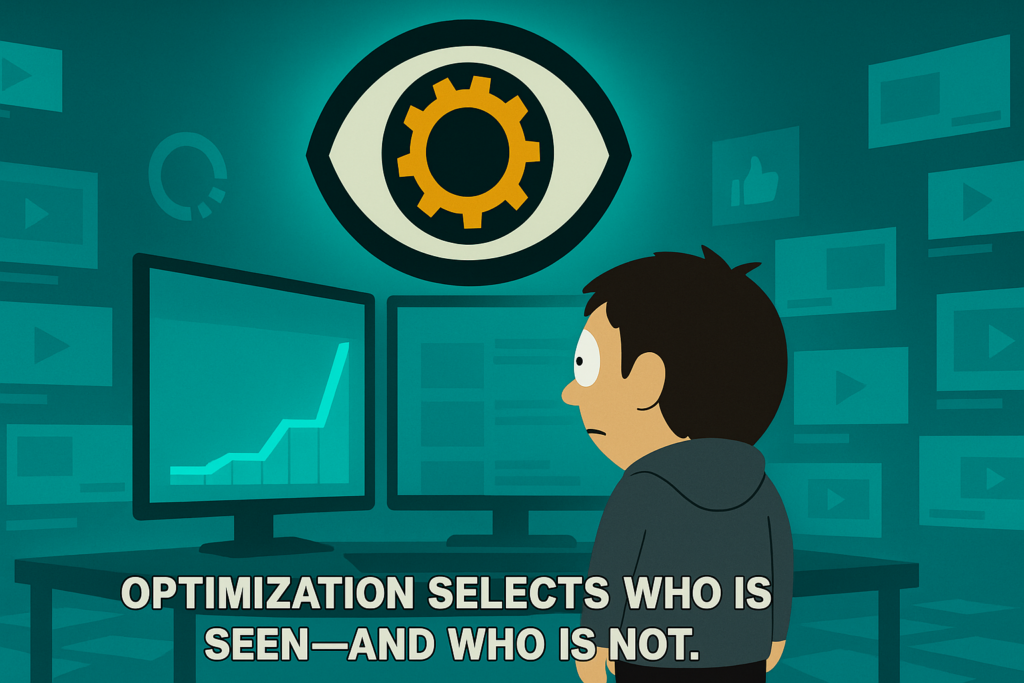
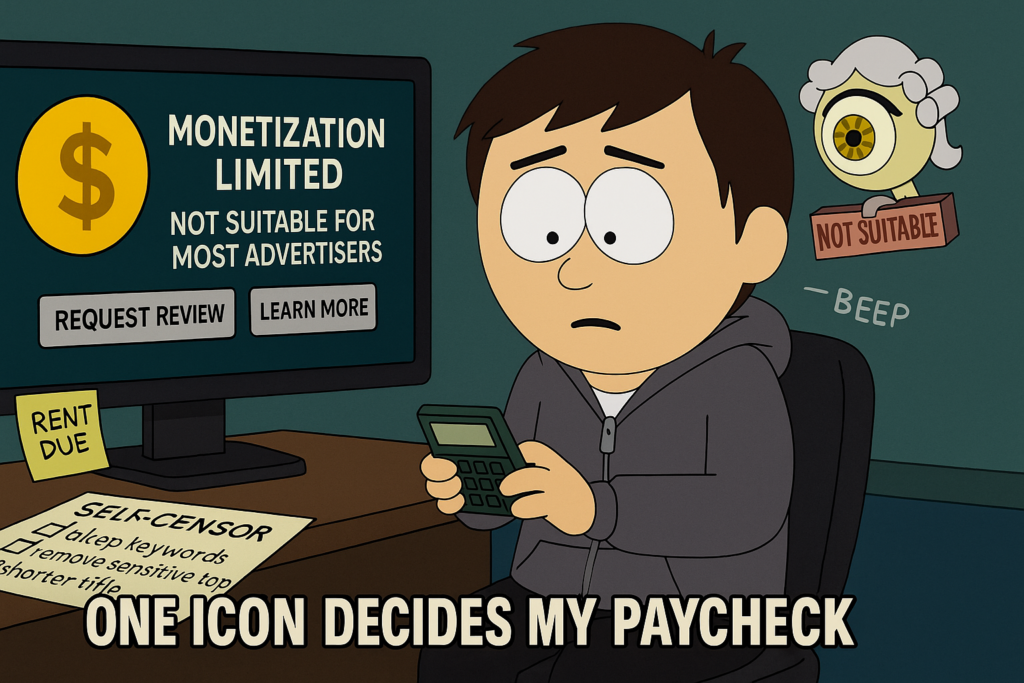
Just like the factory line workers being surveilled by white-collar management, there is now a shift to white-collar employees being surveilled says Crawford (2021). But instead of humans doing the surveilling, they are subject to a machine as their overwatcher, and this overwatcher is in control of their financial livelihood on the platform. Google’s YouTube Help page states that their “ads algorithm” will scan the video and deem it ad friendly or not, and may be reviewed by a human on request.
With YouTube, there are a few possibilities that I envision leading to demonetization:
- Legitimately harmful content
- Sending a message Google doesn’t like
- Sending a message the government doesn’t like (A recent and my most feared development)

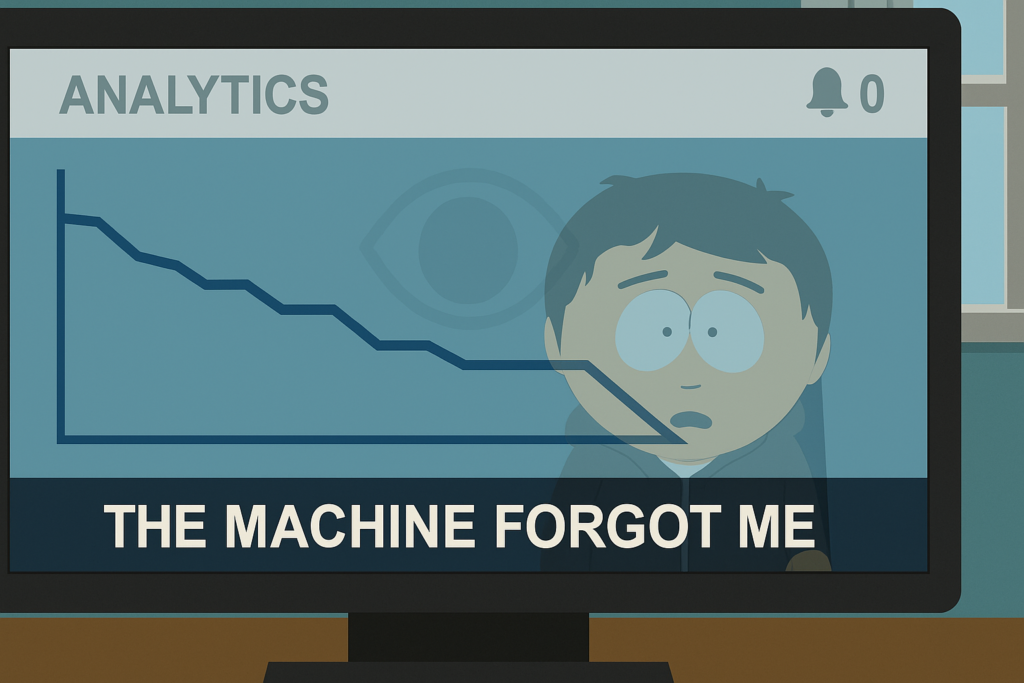
As time goes by, keeping up with the algorithm becomes more difficult. As Duffy writes, “when followers, likes, and shares are the bread and butter of a digital market, a decline in these metrics could mean a direct financial hit”. If the creator can no longer keep the schedule expected by fans, the algorithm notices and will recommend them less. Crawford’s (2021) depiction of Babbage’s factory viewed as nothing more than “a rational calculating machine with only one weakness: its frail and untrustworthy human labor force” brings to light something very curious about this new age of digital labor.
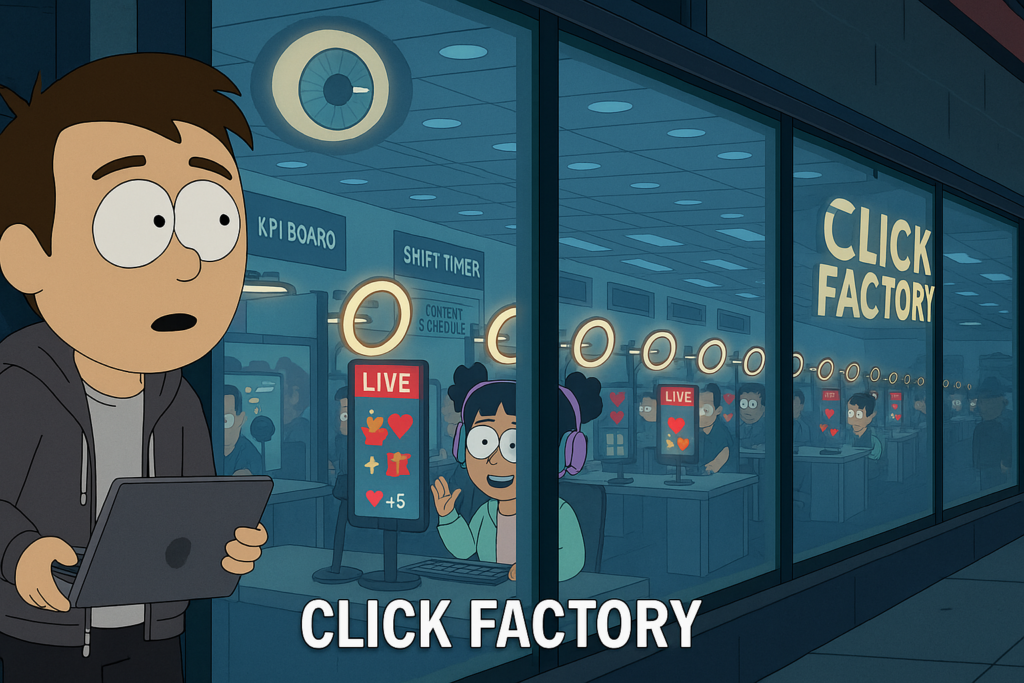
Employees are no longer an issue, as they are not employees but essentially contractors who are more replaceable than any employee has ever been in the history of labor. No one is fired, no one is told to work harder. The creator simply chooses what to do and anything they produce is free value to YouTube, effectively improving upon Babbage’s theory by eliminating the frailty and untrustworthiness of the human labor force while still reaping its benefits.
In the end, it becomes apparent that humans are now being robots, working to appease an algorithm that can cut you down in a moments notice if not conforming, and that now the surveillance is no longer in the form of a human but a machine, perfectly capturing Crawford’s (2021) thesis that humans are indeed being treated more like robots, but I offer an extension of this theory: humans are already being surveilled and managed by machines.
Note: I also want to point out the intention behind the art of this cartoon to replicate South Park to show another example of free digital labor. The art has been stolen and the machine trained upon it to mimic creatives who put in real effort to create something.
References
Crawford, K. (2021). Atlas of AI: Power, politics, and the planetary costs of artificial intelligence. Yale University Press.
Duffy, B. E. (2017). (Not) getting paid to do what you love: Gender, social media, and aspirational work. Yale University Press. https://www.jstor.org/stable/j.ctt1q31skt
Parker, T., & Stone, M. (Creators). (1997–present). South Park [TV series]. South Park Studios; Comedy Partners.